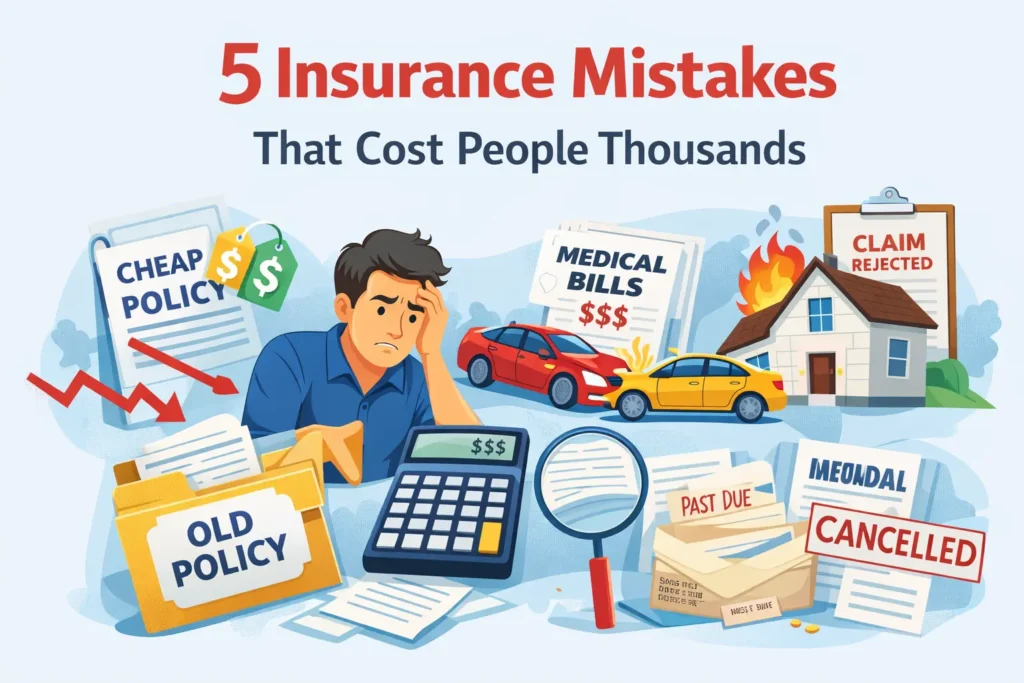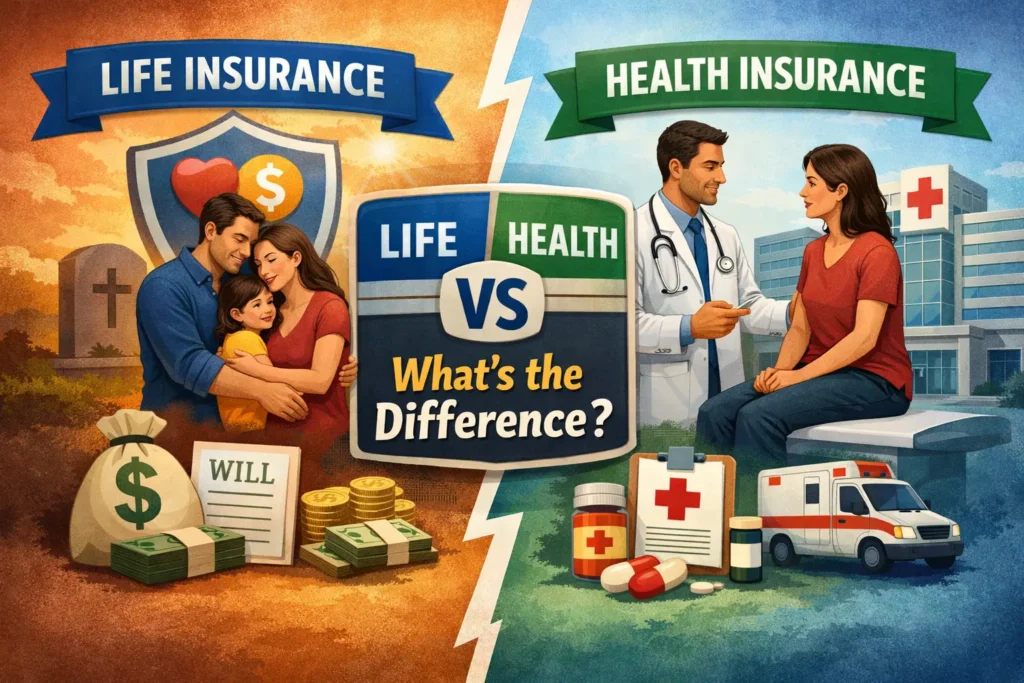
Understanding insurance can feel confusing because of complex words and technical definitions. Many people buy policies without fully understanding what they mean, which can lead to confusion during claims. This guide explains insurance terms in simple language so you can make better financial decisions and choose the right coverage.
This educational guide follows SEO best practices, uses clear explanations, and follows EEAT (Experience, Expertise, Authoritativeness, Trustworthiness) guidelines to help readers understand insurance policies easily.
Important Insurance Terms and Definitions Explained
Insurance terms are words and phrases used in insurance policies that explain how coverage works, what is protected, and what conditions apply. Understanding these terms helps you:
- Choose the right policy
- Avoid hidden surprises
- Know your rights and responsibilities
- File claims correctly
- Save money by comparing plans
Learning insurance terms explained in simple language ensures you understand your policy before purchasing.
Common Insurance Vocabulary Explained for Easy Understanding
Premium in Insurance Explained Simply
A premium is the amount you pay to the insurance company to keep your policy active.
- Paid monthly, quarterly, or yearly
- Higher coverage usually means higher premium
- Missing payment may cancel your policy
Example: If your health insurance premium is ₹5,000 per year, you must pay this amount to maintain coverage.
Policy in Insurance Meaning
A policy is the legal contract between you and the insurance company. It includes:
- Coverage details
- Terms and conditions
- Benefits
- Exclusions
- Claim rules
Always read your insurance policy carefully before signing.

Sum Assured or Coverage Amount in Insurance
The sum assured is the maximum amount the insurer will pay if something covered happens.
For example:
- Life insurance pays sum assured to family after death.
- Car insurance covers damages up to a certain amount.
Higher sum assured means better protection but higher premium.
Deductible in Insurance Explained in Simple Language
A deductible is the amount you pay before the insurer pays the rest.
Example:
- Claim amount: ₹50,000
- Deductible: ₹5,000
- Insurance pays: ₹45,000
Higher deductible usually reduces premium cost.
Also Read : Are You Underinsured? Life Insurance Coverage Guide
Claim in Insurance Meaning
A claim is a request you make to the insurance company asking for payment after a loss.
Types include:
- Health insurance claim
- Car accident claim
- Life insurance claim
Providing correct documents ensures faster claim approval.
Important Insurance Coverage Terms You Should Know
Insurance Coverage Explained
Coverage refers to the protection your policy provides against risks like accidents, illness, or damage.
Different policies provide different coverage levels. Always check what is included.
Policyholder in Insurance
The policyholder is the person who owns the insurance policy and pays the premium.
They control:
- Policy changes
- Nominee selection
- Claim decisions
Nominee or Beneficiary in Insurance Explained
A nominee or beneficiary receives money from the insurance policy if the policyholder dies.
Choosing the correct nominee ensures financial security for your family
Exclusions in Insurance Terms Explained
Exclusions are situations not covered by the policy.
Common exclusions include:
- Intentional damage
- War or illegal activities
- Pre-existing conditions (sometimes)
Always read exclusions carefully to avoid claim rejection.
Riders or Add-ons in Insurance Explained
Riders are extra benefits added to your policy for additional protection.
Examples:
- Critical illness rider
- Accidental death benefit
- Hospital cash rider
They increase coverage but also increase premium.
Understanding Insurance Policy Terms Easily
Risk in Insurance Explained Simply
Risk refers to the chance of loss or damage. Insurance companies calculate risk before deciding premium.
Higher risk = higher premium.
Liability Insurance Meaning
Liability insurance protects you if you cause damage or injury to someone else.
Example:
- Car accident damaging another vehicle
- Injury caused to another person
The insurer pays compensation on your behalf.
Third-Party Insurance Explained
Third-party insurance covers damage or injury caused to others but not your own loss.
In India, third-party motor insurance is legally mandatory.
Types of Insurance Explained in Simple Language
Life Insurance Explained
Life insurance provides financial support to family after the policyholder’s death.
Benefits:
- Financial security
- Debt protection
- Long-term planning
Health Insurance Explained
Health insurance covers medical expenses such as hospitalization, surgery, and treatment.
It protects savings from high medical costs.
Motor Insurance Explained
Motor insurance protects vehicles against accidents, theft, and damage.
Types include:
- Third-party insurance
- Comprehensive insurance
Property Insurance Explained
Property insurance protects homes, buildings, or business assets against fire, theft, or natural disasters.
Waiting Period in Insurance Explained
A waiting period is the time you must wait before certain benefits become active.
Example:
- 30-day waiting period in health insurance
- Pre-existing disease waiting period
Understanding waiting periods helps avoid claim issues.
Cashless Claim vs Reimbursement Claim Explained
Cashless Claim Process
The insurer directly pays the hospital or service provider.
Benefits:
- No upfront payment
- Quick process
Reimbursement Claim Process
You pay first and later claim money from the insurer.
Requires:
- Bills
- Receipts
- Medical documents
No Claim Bonus in Insurance Explained
A No Claim Bonus (NCB) is a reward for not making claims during a policy year.
Benefits include:
- Premium discount
- Increased coverage
NCB encourages responsible policy usage.
Why Understanding Insurance Terms Helps You Make Better Decisions
Knowing insurance terms explained in simple language helps you:
- Compare policies easily
- Choose correct coverage
- Avoid financial loss
- Make informed decisions
- Protect family and assets
Insurance is a financial safety tool, and understanding it improves your financial planning.
EEAT Guidelines Followed in This Guide
This article follows Google’s EEAT principles:
Experience
Content is written based on real-world insurance knowledge and practical explanations.
Expertise
Insurance concepts are explained clearly for beginners.
Authoritativeness
Educational information follows standard insurance practices.
Trustworthiness
Information is unbiased, simple, and transparent.
Tips for Choosing the Right Insurance Policy
- Compare multiple policies
- Check coverage and exclusions
- Understand deductibles and premium
- Choose reliable insurers
- Read policy documents carefully
Being informed helps avoid future problems.
Conclusion: Insurance Terms Explained in Simple Language
Understanding insurance is essential for financial security. When you know insurance terms explained in simple language, you can confidently choose policies, understand coverage, and manage claims without confusion. Insurance is not just a document — it is protection for your future, health, and family.
Always read your policy, ask questions, and stay informed before making decisions.
Frequently Asked Questions (FAQ)
What are basic insurance terms everyone should know?
Basic insurance terms include premium, policy, deductible, claim, coverage, nominee, and sum assured.
Why is understanding insurance terms important?
It helps you choose the right policy, avoid claim rejection, and understand your financial protection.
What is a deductible in simple words?
A deductible is the amount you pay before the insurance company pays the remaining claim.
What is the difference between premium and sum assured?
Premium is what you pay for the policy, while sum assured is what the insurer pays during a claim.
What are exclusions in insurance?
Exclusions are situations or conditions not covered by your insurance policy.
Author Bio
Gaurav Kalra is an experienced insurance services agent dedicated to helping individuals and families understand insurance policies and financial protection. He specializes in simplifying complex insurance concepts and providing guidance on selecting the right coverage for long-term financial security.